
Benjamin Wade, PhD, focuses on precision psychiatry, integrating statistical and machine-learning approaches with multimodal neuroimaging to identify biomarkers of antidepressant response and guide individualized treatment selection for mood and suicidal disorders. Treatments like transcranial magnetic stimulation (TMS), electroconvulsive therapy (ECT), or ketamine therapy are safe, effective options for treatment-resistant depression (TRD) patients. However, despite the prevalence of depression and the growing availability of these therapies, clinicians have little evidence-based information to guide selection for an individual patient. Dr. Wade is applying machine-learning and causal-inference methods to multi-domain clinical and behavioral measures in a retrospective sample of over 2,500 TRD patients who underwent TMS, ECT, or ketamine therapy, to create an evidence-based treatment allocation algorithm to guide clinician decision making and highlight subgroups most likely to benefit from these treatments. Dr. Wade is an assistant professor of psychiatry at Harvard Medical School and Mass General Brigham in the Division of Neuropsychiatry and Neuromodulation. He earned a PhD in bioengineering at UCLA under the mentorship of Paul Thompson, PhD. An NSF Graduate Research Fellow, he applied machine learning to identify neuroimaging biomarkers across psychiatric and neurodegenerative conditions. He later completed postdoctoral training at UCLA with Katherine Narr, PhD, and at the University of Utah with David Tate, PhD, focusing on predictive modeling of antidepressant response to ECT, TMS, and ketamine.
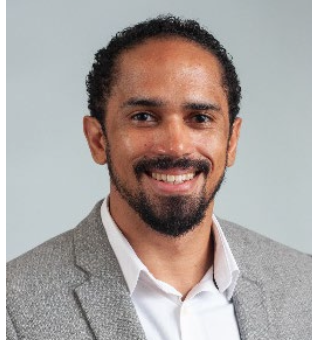
Benjamin Wade, PhD,
Benjamin Wade, PhD,
Organization
MGB
Program
MGH Research Fellows
Year
2026